As we embark on a new year, it is an opportune time to reflect on the evolving landscape of wellness. In 2025, several key trends are set to shape the way we approach our health and well-being, offering innovative approaches to achieving optimal physical, mental, and emotional balance.
These trends encompass a holistic perspective, recognizing the interconnectedness of various aspects of our lives that contribute to overall well-being. From embracing technology and personalized experiences to cultivating mindful practices and prioritizing mental health, 2025 promises advancements in the pursuit of a healthier and more fulfilling existence.
Let us delve into the specific trends that are poised to make a significant impact on the wellness industry in the year ahead:
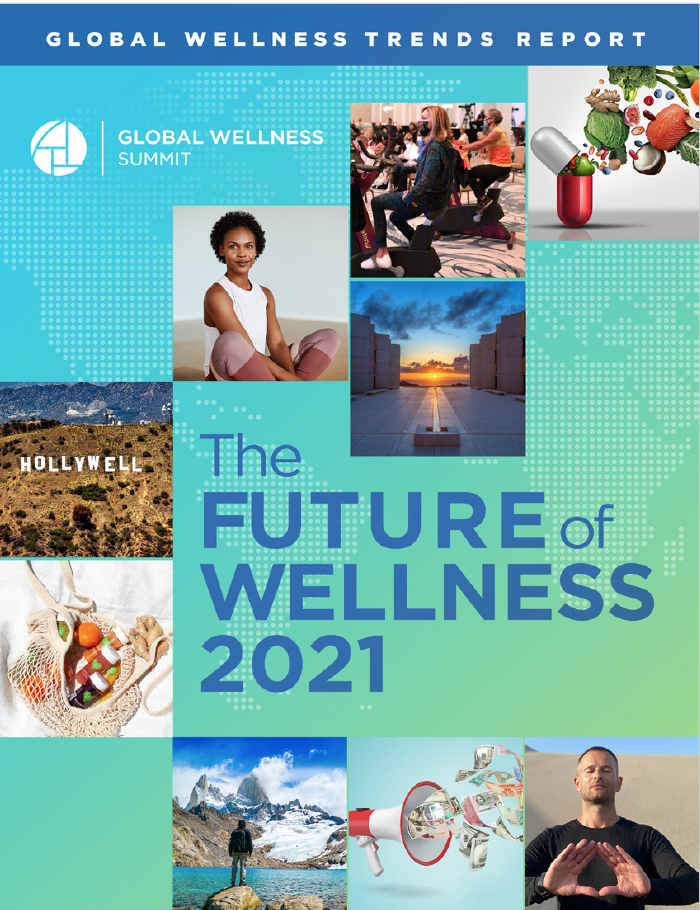
In 2025, the wellness industry is poised to witness a surge in innovative approaches and practices aimed at enhancing our physical, mental, and emotional well-being. Key trends to watch for include:
These trends reflect a growing recognition of the multifaceted nature of wellness and the need for individualized, holistic approaches that address the unique needs of each person.

In the realm of wellness, personalization is taking center stage. Individuals are increasingly seeking tailored approaches that cater to their unique needs and preferences. This trend is driven by the recognition that there is no one-size-fits-all solution to achieving optimal well-being.
The emphasis on personalized experiences empowers individuals to take an active role in managing their well-being. By embracing tailored solutions, they can achieve their health goals more effectively and sustainably.
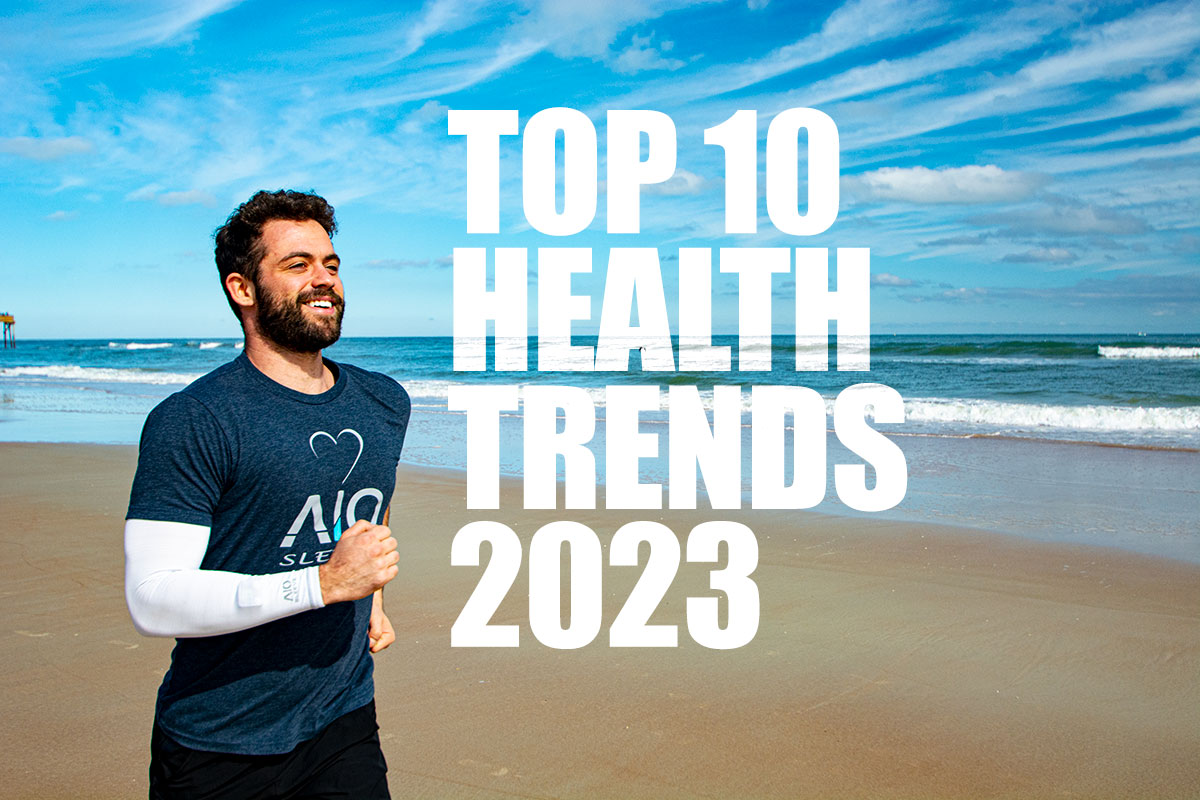
Technology is revolutionizing the way we approach wellness, offering innovative tools and solutions to enhance our health and well-being. In 2025, this trend is expected to accelerate, with the emergence of cutting-edge technologies that empower individuals to take control of their health journeys.

Wearable Health Trackers: Wearable devices, such as smartwatches and fitness trackers, are becoming increasingly sophisticated. They monitor a wide range of health metrics, including heart rate, sleep patterns, and activity levels. This data provides valuable insights into overall well-being and can help individuals make informed decisions about their health.
AI-Powered Health Monitoring: Artificial intelligence (AI) is transforming healthcare, including the field of wellness. AI-powered apps and devices can analyze vast amounts of health data to identify patterns and provide personalized recommendations. This technology has the potential to detect health risks early on and guide individuals towards preventive measures.

Virtual and Augmented Reality (VR/AR) for Fitness and Therapy: VR and AR technologies are making their way into the wellness space. VR fitness programs offer immersive and engaging workouts, while AR apps can provide real-time guidance and support during exercise. Additionally, VR and AR are being used in therapeutic settings to create immersive experiences that promote relaxation and stress reduction.
Digital Therapeutics: Digital therapeutics are evidence-based, software-based interventions that can be used to prevent, manage, or treat various health conditions. These digital tools offer personalized treatment plans, interactive exercises, and progress tracking, making healthcare more accessible and convenient.

The integration of technology into wellness empowers individuals to take a proactive approach to their health. By leveraging these innovative tools, people can gain a deeper understanding of their bodies, make informed decisions, and achieve their wellness goals more effectively.
Mindful practices are gaining increasing recognition as essential components of a holistic approach to wellness. In 2025, these practices are expected to become even more prevalent as individuals seek to cultivate greater well-being and inner peace.
Meditation and Mindfulness: Meditation and mindfulness techniques have been practiced for centuries to promote relaxation, reduce stress, and enhance overall well-being. These practices involve training the mind to be present and focused, leading to improved mental clarity, emotional regulation, and self-awareness.
Yoga and Tai Chi: Yoga and Tai Chi combine physical movement with mindfulness. These practices promote flexibility, strength, and balance, while also cultivating mental focus and reducing stress. They are suitable for individuals of all ages and fitness levels, making them accessible and inclusive.
Mindful Eating: Mindful eating involves paying attention to the experience of eating, without judgment. It encourages individuals to slow down, savor each bite, and appreciate the nourishment they are receiving. This practice promotes healthy eating habits, reduces stress, and improves digestion.
Gratitude and Appreciation: Cultivating a sense of gratitude and appreciation can significantly enhance well-being. Practicing gratitude involves acknowledging and expressing thankfulness for the positive aspects of life, fostering a positive mindset and reducing stress.
The integration of mindful practices into daily life can lead to numerous benefits, including reduced stress, improved sleep, enhanced emotional regulation, and increased resilience. By embracing these practices, individuals can cultivate greater well-being and live more balanced and fulfilling lives.
Mental health is an integral part of overall well-being, and its importance is gaining increasing recognition. In 2025, mental health prioritization is expected to become a key focus area, as individuals and healthcare professionals alike recognize the profound impact mental well-being has on overall health and quality of life.
Destigmatizing Mental Health: One of the most significant trends in mental health prioritization is the ongoing effort to destigmatize mental health conditions. Open conversations about mental health challenges are becoming more common, reducing the shame and stigma associated with seeking help.
Accessible and Equitable Mental Health Care: Ensuring accessible and equitable mental health care is crucial for improving mental well-being. This involves expanding insurance coverage for mental health services, increasing the availability of mental health professionals, and addressing disparities in access to care.
Preventative Mental Health Strategies: In addition to treating mental health conditions, there is a growing emphasis on preventative strategies to promote mental well-being. This includes teaching coping mechanisms, promoting resilience, and creating supportive environments that foster mental health.
Workplace Mental Health Initiatives: Workplaces are increasingly recognizing the importance of mental health for employee well-being and productivity. Many organizations are implementing mental health initiatives, such as employee assistance programs, stress management workshops, and mental health training for managers.
The prioritization of mental health in 2025 reflects a growing understanding of the interconnectedness of physical and mental well-being. By addressing mental health concerns proactively and creating supportive environments, individuals and communities can thrive and achieve optimal well-being.
Holistic healing approaches are gaining popularity as individuals seek to address their well-being in a comprehensive and integrative manner. Holistic healing considers the whole person, recognizing the interconnectedness of physical, mental, emotional, and spiritual aspects of health.
The holistic healing trend reflects a growing desire for personalized and comprehensive healthcare that addresses the unique needs of each individual. By embracing holistic approaches, individuals can achieve optimal well-being and live more balanced and fulfilling lives.
Workplace wellness is becoming increasingly recognized as a key factor in employee health, productivity, and overall well-being. In 2025, this trend is expected to accelerate as more organizations prioritize the health and happiness of their employees.
Comprehensive Wellness Programs: Many organizations are implementing comprehensive workplace wellness programs that address a wide range of health and well-being needs. These programs may include health screenings, fitness challenges, stress management workshops, and access to mental health resources.
Flexible Work Arrangements: Flexible work arrangements, such as remote work and flexible scheduling, are becoming more common as employers recognize the benefits they offer to employee well-being. These arrangements allow employees to better manage their work-life balance and reduce stress.
Workplace Culture: Creating a positive and supportive workplace culture is essential for employee well-being. This involves promoting open communication, encouraging teamwork, and providing opportunities for professional development and growth.
Mental Health Support: Organizations are increasingly recognizing the importance of mental health support in the workplace. This may include providing access to mental health professionals, offering mental health training for managers, and creating a work environment that reduces stress and promotes resilience.
The growing emphasis on workplace wellness reflects a shift towards a more holistic approach to employee well-being. By investing in the health and happiness of their employees, organizations can create a more productive, engaged, and healthy workforce.
Sustainable wellness practices focus on promoting well-being while minimizing our environmental impact. In 2025, this trend is expected to gain momentum as individuals and organizations seek to live healthier and more eco-conscious lives.
The sustainable wellness trend reflects a growing awareness of the interconnectedness between our health and the health of the planet. By adopting sustainable practices, we can create a healthier and more sustainable future for ourselves and generations to come.
To provide further clarification on the key trends shaping the wellness landscape in 2025, here are some frequently asked questions and their respective answers:
Question 1: What are the key drivers behind the growing emphasis on personalized experiences in wellness?
Answer: The increasing recognition of individual uniqueness and the understanding that there is no one-size-fits-all approach to achieving well-being are the primary drivers behind the shift towards personalized experiences in wellness.
Question 2: How can technology contribute to improving mental health outcomes?
Answer: Technology offers various tools and resources that can support mental well-being, including self-help apps, online therapy platforms, and wearable devices that track mood and sleep patterns.
Question 3: What are some practical ways to incorporate mindful practices into daily life?
Answer: Simple mindfulness techniques like deep breathing exercises, meditation, and practicing gratitude can be easily integrated into daily routines to promote relaxation and reduce stress.
Question 4: How can workplaces foster a culture of mental health prioritization?
Answer: Creating a supportive work environment that encourages open communication about mental health, providing access to mental health resources, and implementing flexible work arrangements can contribute to mental health prioritization in the workplace.
Question 5: What are the benefits of holistic healing approaches?
Answer: Holistic healing considers the whole person, addressing physical, mental, emotional, and spiritual aspects of well-being. This comprehensive approach can lead to improved overall health outcomes and a greater sense of balance and well-being.
Question 6: How can individuals contribute to sustainable wellness practices?
Answer: Adopting eco-friendly fitness routines, choosing plant-based diets, opting for sustainable travel options, and supporting ethical and sustainable products are ways individuals can contribute to sustainable wellness practices.
Question 7: What are some key tips for maintaining well-being in 2025?
Answer: Prioritizing self-care, embracing technology for wellness, cultivating mindful practices, seeking support when needed, and adopting sustainable wellness habits are essential tips for maintaining well-being in 2025.
By understanding the key trends and addressing these frequently asked questions, individuals can make informed choices to enhance their well-being and achieve optimal health in 2025 and beyond.
To help you incorporate these wellness trends into your life, here are some practical tips to consider:
Tip 1: Embrace Technology for Personalized Wellness: Utilize wearable devices and health tracking apps to monitor your well-being, set personalized goals, and receive tailored recommendations.
Tip 2: Cultivate Mindful Practices: Dedicate time each day to mindfulness exercises like meditation, deep breathing, or practicing gratitude. Even short sessions can bring significant benefits.
Tip 3: Prioritize Mental Health: Openly acknowledge and address your mental health needs. Seek support from mental health professionals or engage in activities that promote emotional well-being.
Tip 4: Make Sustainable Choices for Well-being: Choose eco-friendly fitness options, incorporate plant-based foods into your diet, and support ethical and sustainable products to contribute to your well-being and the health of the planet.
By implementing these tips, you can harness the power of the latest wellness trends to enhance your physical, mental, and emotional well-being. Remember, the journey towards optimal health is ongoing, and small steps taken consistently can lead to significant improvements over time.
In 2025, the wellness landscape will continue to evolve, driven by a focus on personalization, technology, mindful practices, mental health prioritization, holistic healing, workplace wellness, and sustainable wellness. These trends reflect a growing understanding of the interconnectedness of our physical, mental, emotional, and environmental well-being.
By embracing these trends, individuals can take control of their health and well-being journeys, creating a healthier and more fulfilling life for themselves and future generations. Wellness is not a destination but an ongoing process, and the trends of 2025 provide a roadmap for achieving optimal well-being in the years to come.